

For most of the past several years, the term “distressed property” barely registered as a relevant consideration in the Greater Los Angeles and Ventura County real estate markets. Pandemic-era foreclosure moratoriums, record homeowner equity, and a frenetic seller’s market effectively removed distressed sales from the conversation. That is beginning to change in 2026, and both buyers and homeowners in difficult circumstances should understand what this shift means and how to navigate it responsibly.
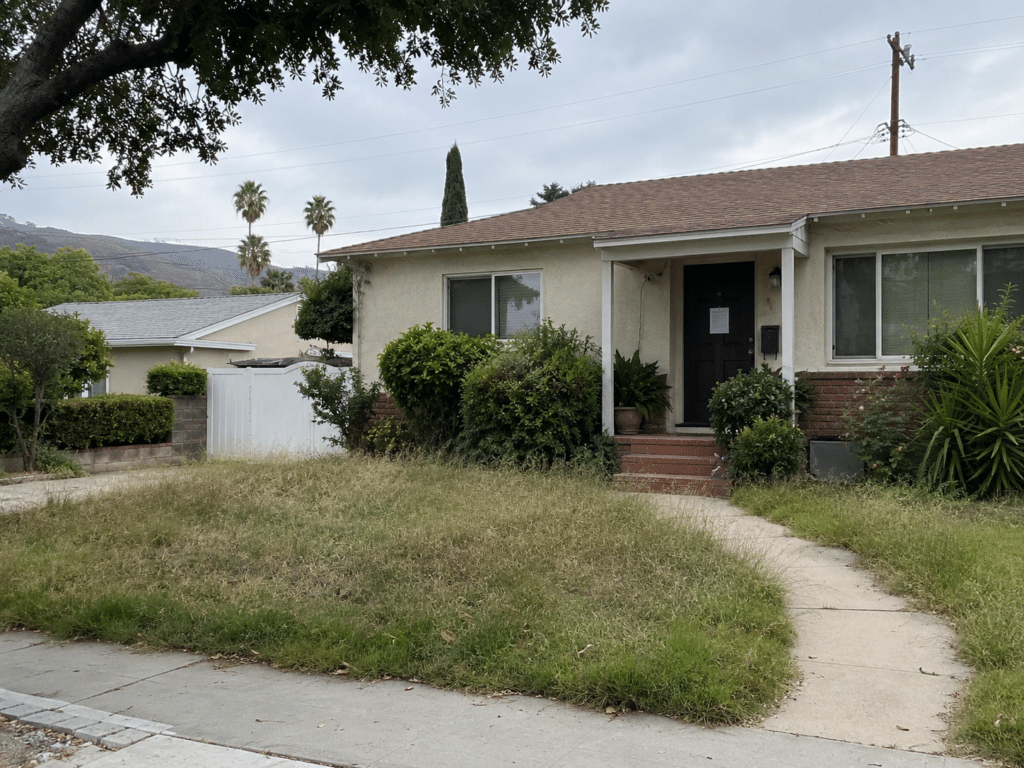
Foreclosure Activity Is Climbing, But Context Matters
The data is clear and consistent: foreclosure activity across the United States has been rising year over year, and California, including Los Angeles, is among the states leading that trend. According to ATTOM Data, January 2026 saw foreclosure filings up 32 percent from a year earlier, with foreclosure starts rising 26 percent year over year and completed foreclosures increasing nearly 59 percent. Los Angeles ranked among the top metropolitan areas nationally for foreclosure starts during that period.
Those figures sound alarming until they are placed in their proper context. Foreclosure rates in 2026 remain at roughly one-eighth of the levels experienced during the foreclosure crisis of 2009 through 2011. Foreclosures are starting to rise, and we are at a six-year high, but that also means we are higher than we have been since 2020, when levels were suppressed to historic lows due to pandemic-era protections. Both things are true: the trend is upward, and the overall level remains modest by historical standards.
The more accurate description, as one national housing analyst put it, is that we do not have a distressed market, but we do have more distress. It has been a slow burn, and the expectation is that distressed inventory will continue to grow gradually rather than spike dramatically. For buyers targeting this segment and for homeowners who may be feeling financial pressure, that gradual pace actually creates opportunity, if acted upon with proper guidance.
Why Distressed Inventory Is Growing Now
Several converging forces are responsible for the uptick in distressed activity throughout California and the Los Angeles area specifically. Much of the current rise in foreclosure completions reflects courts and loan servicers working through a backlog that built up during pandemic-era moratoriums, filings that were delayed, not eliminated, are now progressing through the pipeline.
Beyond the backlog, sustained mortgage rates in the mid-to-upper six percent range have placed ongoing pressure on homeowners who purchased or refinanced at the peak of the market using adjustable-rate products or who have experienced income disruption. Economic uncertainty tied to international trade conditions has contributed to job losses in some sectors, leading to forced sales as homeowners struggle to maintain payments, a trend that analysts expect to continue influencing the Los Angeles market through at least 2026 and into 2027.
It is important to emphasize that this does not indicate a systemic collapse. Homeowner equity across Greater Los Angeles remains substantial, lending standards have been far more disciplined than they were in the mid-2000s, and the region’s fundamental housing demand has not evaporated. What is happening is a normalization of distress activity after an unusually long period of suppression.
What This Means for Buyers Interested in Distressed Properties
For buyers who have been priced out of traditionally listed homes, or for investors seeking opportunities below market value, the gradual increase in distressed inventory warrants serious attention. Short sales, foreclosures, and bank-owned (REO) properties can represent meaningful value, but they require a very different approach than a conventional purchase.
Distressed transactions involve unique timelines, additional documentation requirements, potential title complications, and negotiation processes that differ substantially from standard sales. A short sale, for example, requires lender approval that can extend the transaction process considerably. An REO property is sold by a bank that has no knowledge of the property’s history and will typically offer it in as-is condition, with limited or no disclosures. Without an agent who genuinely understands these distinctions, buyers can find themselves navigating significant complications mid-transaction.
The due diligence requirements in distressed purchases are also more demanding. Thorough property inspections, title searches, and a clear understanding of any liens, unpaid taxes, or deferred maintenance are essential steps that cannot be skipped in the interest of speed or price.
What This Means for Homeowners Under Financial Pressure
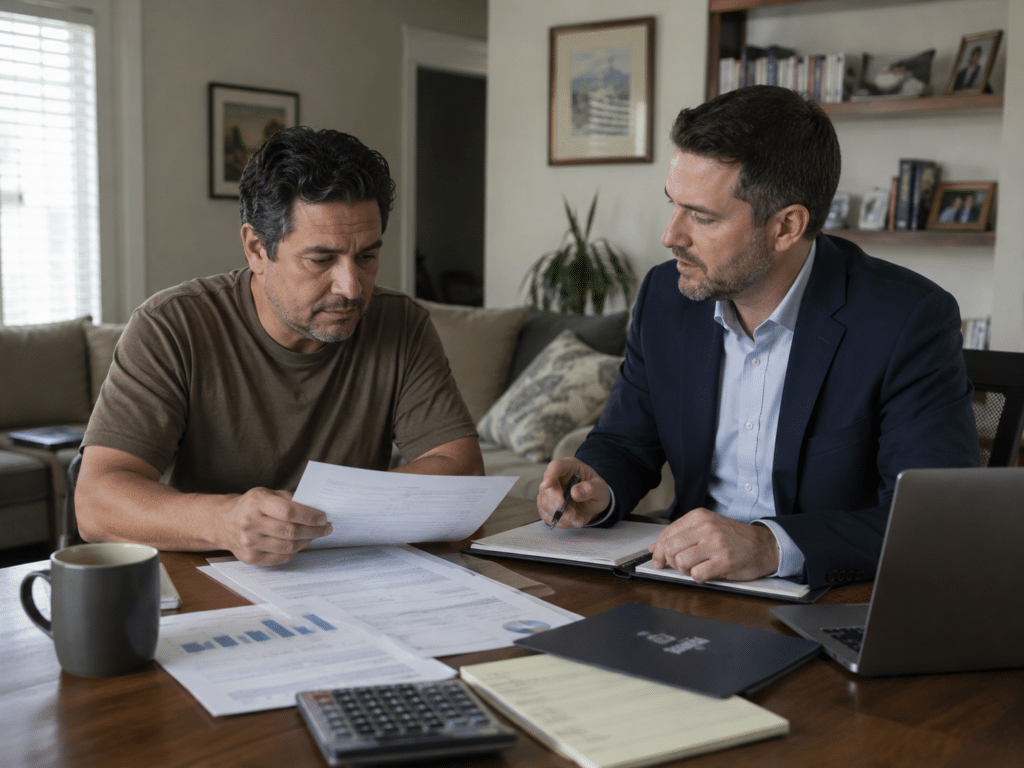
For homeowners in Greater Los Angeles or Ventura County who are struggling with mortgage payments, the rising foreclosure trend is a signal to act early, not to wait. The options available to a homeowner who engages the process proactively are substantially better than the options available once a foreclosure has progressed.
A short sale, in which the lender agrees to accept less than the outstanding mortgage balance as payment in full, can allow a homeowner to exit a property with far less damage to their credit and financial standing than a completed foreclosure. The process requires careful coordination with the lender and precise documentation, but it is a viable and often preferable path for homeowners who owe more than their home is currently worth or who cannot maintain their current payments.
Loan modification, forbearance agreements, and deed-in-lieu of foreclosure are additional options that may be available depending on the lender, the loan type, and the homeowner’s specific circumstances. What all of these paths share is that they are most accessible when a homeowner reaches out for guidance early, before the situation becomes a crisis.
The Value of Specialized Experience in Distressed Transactions
Not every real estate agent is equipped to handle distressed property transactions competently. The technical knowledge, lender relationships, negotiation experience, and patience required to successfully close a short sale or navigate an REO purchase represent a distinct professional discipline, one that takes years to develop and refine.
Whether you are a buyer seeking to acquire a distressed property at a fair price or a homeowner exploring your options before a foreclosure becomes final, the guidance of an agent with genuine, proven experience in these transactions is not optional, it is the difference between a successful outcome and a costly one.